Why Some People Don’t Like Preppers (And Why They’re Often Wrong)
Preppers often get a bad reputation. For many people, the word “prepper” brings up images of bunkers, paranoia, or doomsday obsession. Movies, TV shows, and social media have helped push this stereotype, making preparedness seem extreme or unnecessary. As a result, people who take simple steps to be ready for emergencies are sometimes misunderstood or even mocked.
The truth is, most preppers aren’t expecting the end of the world. They’re regular people who understand that power outages happen, disasters don’t send warnings, and help isn’t always immediate. Being prepared isn’t about fear, it’s about responsibility. Still, there are several reasons why prepping makes some people uncomfortable, and understanding those reasons helps clear up the confusion.
Below are the main reasons people don’t like preppers, and why those perceptions often miss the point.
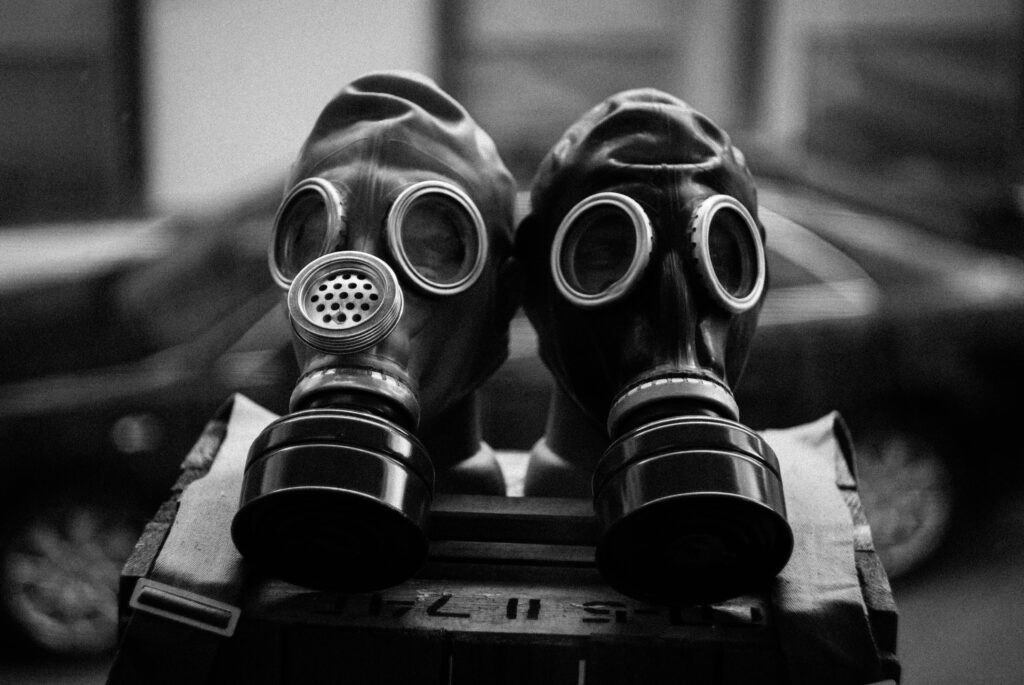
Preppers Are Seen as Paranoid
One of the biggest reasons people are uncomfortable with preppers is the assumption that they live in constant fear. From the outside, preparing for emergencies can look like expecting disaster around every corner. When someone hears about food storage, backup power, or emergency plans, they may interpret it as paranoia rather than practicality.
This reaction often comes from misunderstanding risk. Many people believe that because something hasn’t happened to them personally, it won’t happen at all. Preppers think differently. They look at real events like hurricanes, blackouts, winter storms, and supply shortages and recognize patterns. Preparing for these situations isn’t fear-driven, it’s experience-driven and rooted in awareness.
Preparedness also forces people to acknowledge uncertainty, and that can be uncomfortable. It’s easier to dismiss preppers as paranoid than to accept that modern systems can fail. In reality, most preppers aren’t expecting the worst-case scenario every day. They’re simply choosing to be ready for the most likely problems, so they don’t have to panic when something goes wrong.
Media Stereotypes and Extreme Portrayals
Another major reason people don’t like preppers is the way they’re portrayed in the media. Television shows, movies, and viral videos tend to focus on the most extreme examples because they attract attention. Bunkers, weapons, and doomsday countdowns make for dramatic content, but they don’t represent the average prepper.
Most preppers are regular people with jobs, families, and normal lives. They keep extra food, water, and basic emergency supplies because they’ve seen how quickly shelves empty during storms or blackouts. Unfortunately, these practical and quiet forms of preparedness don’t fit the entertainment narrative, so they’re rarely shown.
When people only see exaggerated portrayals, they start to associate all preppers with those extremes. This creates a false image that preparedness is obsessive or irrational, when in reality it’s often as simple as planning ahead and being self-reliant.
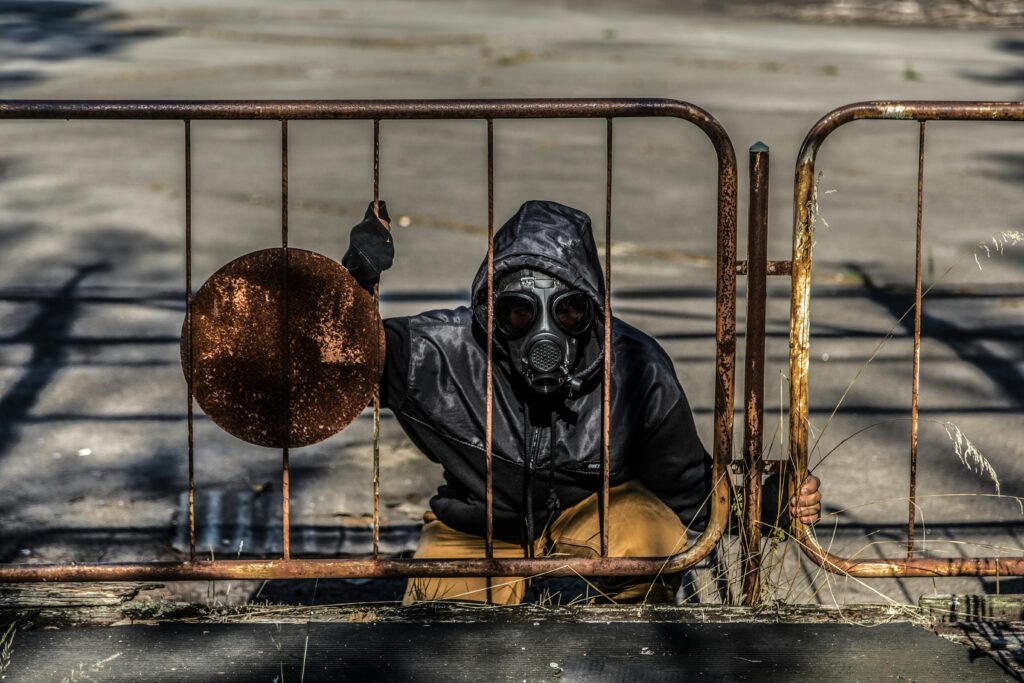
Preparedness Makes People Uncomfortable
Prepping doesn’t just prepare the person doing it, it also challenges the mindset of those around them. When someone talks about emergency plans or backup supplies, it forces others to think about situations they’d rather ignore. Power outages, natural disasters, and supply chain disruptions are uncomfortable topics, so it’s easier to dismiss preparedness than confront the possibility of inconvenience or risk.
Modern life is built around convenience and instant access. Food, water, fuel, and services are expected to be available at all times. Preppers quietly point out that this system isn’t guaranteed, and that idea can feel threatening. For some people, rejecting prepping is a way to protect their sense of comfort and normalcy.
Instead of seeing preparedness as practical, some interpret it as pessimism. In reality, prepping isn’t about expecting failure, it’s about reducing stress and uncertainty when life doesn’t go as planned.
Prepping Is Mistaken for Hoarding or Selfishness
Many people confuse prepping with hoarding, especially after seeing panic buying during emergencies. When shelves are emptied during storms or crises, it creates frustration and anger, and preppers are sometimes unfairly grouped into that behavior. This misunderstanding makes preparedness look selfish instead of responsible.
The key difference is timing and intent. Preppers don’t rush stores during disasters. They prepare slowly, over time, buying a little extra when supplies are normal and affordable. This actually reduces strain on the system because prepared people aren’t competing for limited resources when everyone else is scrambling.
Prepping is about taking care of yourself and your household so you don’t become a burden during emergencies. Far from being selfish, it often allows preppers to help others when shortages happen.
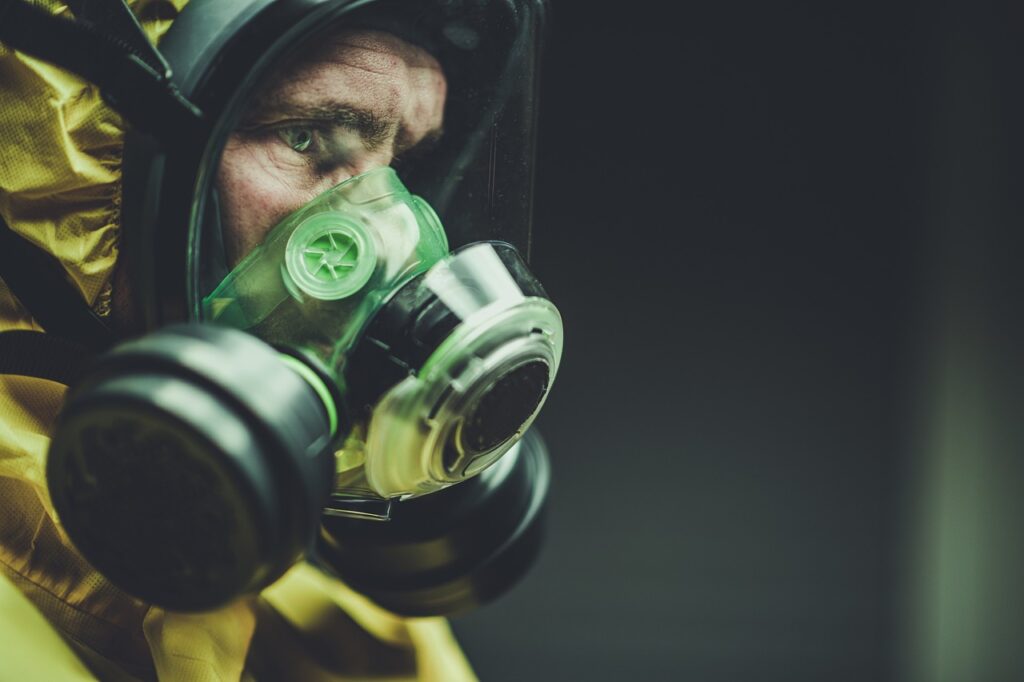
Preppers Don’t Fit the “Normal” Way of Thinking
Preparedness goes against the idea that everything will always work as expected. Many people are comfortable believing that emergency services, stores, and utilities will always be there when needed. When preppers talk about backup plans, it challenges that belief, and not everyone reacts well to it.
Society often rewards convenience and dependence on systems, not self-reliance. Preppers value redundancy, planning, and personal responsibility, which can seem unnecessary or outdated to others. Because of this, preparedness is sometimes seen as overthinking rather than common sense.
In reality, being prepared doesn’t mean rejecting society or living in fear. It simply means understanding that systems have limits and choosing not to rely on them completely.
Fear of Being Judged or Feeling Unprepared
Another reason people react negatively to preppers is internal discomfort. Seeing someone who is prepared can make others feel unprepared, and that feeling often turns into defensiveness or criticism. Instead of asking questions or learning, it’s easier to dismiss prepping altogether.
Preparedness can unintentionally highlight gaps in someone’s own readiness. That realization can trigger embarrassment or denial, especially if emergency planning has never been a priority. Criticizing preppers becomes a way to avoid confronting that uncomfortable truth.
In many cases, the resistance to prepping isn’t about the prepper at all. It’s about the fear of acknowledging vulnerability and the responsibility that comes with being prepared.
Final Thoughts
People don’t dislike preppers because preparedness is dangerous or irrational. They dislike the idea because it challenges comfort, routine, and the belief that life will always run smoothly. Prepping forces an honest look at how fragile modern systems can be, and not everyone is ready for that conversation.
Preparedness isn’t about fear, isolation, or expecting disaster. It’s about awareness, responsibility, and peace of mind. Most preppers aren’t extreme, they’re simply realistic. Understanding why prepping makes some people uncomfortable helps bridge the gap and shows that being prepared is not something to mock, but something to respect.