Emergency Kit Items People Forget, But Really Shouldn’t.
Most emergency kits look good on paper. Food, water, flashlight, batteries. The basics are usually covered. The problem is that real emergencies are uncomfortable, stressful, and messy, and that’s where most kits fall short.
These are emergency kit items people often forget, even though they can make a huge difference when things go wrong.
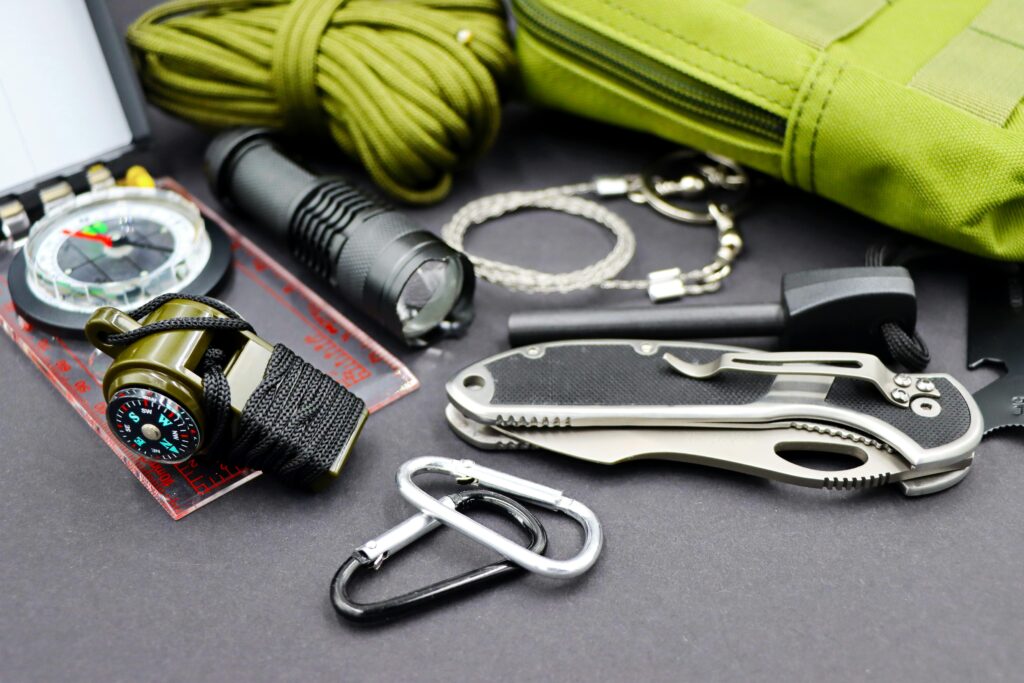
What Are Emergency Kits and Why Are They Necessary?
An emergency kit is a simple collection of supplies meant to help you get through unexpected situations like power outages, severe storms, wildfires, or other emergencies where everyday services aren’t available. It’s not about preparing for the end of the world. It’s about having what you need when things don’t go as planned and help isn’t immediate.
In the U.S., emergencies happen more often than people think. Hurricanes, winter storms, heat waves, earthquakes, and long power outages affect millions of Americans every year. When these events happen, grocery stores can empty fast, gas stations may shut down, and emergency services can be overwhelmed. An emergency preparedness kit gives you a head start and helps you stay calm instead of scrambling at the last minute.
Emergency kits matter because they buy you time. Having water, food, lighting, basic medical supplies, and a few essential tools means you’re not depending entirely on outside help right away. Whether you’re sheltering at home, stuck without power, or dealing with an evacuation order, a well-prepared emergency kit helps protect your health, safety, and peace of mind.
Being prepared doesn’t mean being paranoid. It means being practical. Most emergency survival kits are built for short-term situations, usually 72 hours, which is often how long it takes for services to stabilize after a major event. Families, apartment dwellers, homeowners, and even people who live in urban areas can all benefit from having emergency supplies ready.
At the end of the day, an emergency kit is about taking responsibility for yourself and the people you care about. You don’t need expensive gear or complicated plans. You just need the basics, ready to go, so when something unexpected happens, you’re prepared instead of caught off guard.
Recommended Emergency Kit Essentials
Now that you understand what an emergency kit is and why it’s so important, it’s time to look at the gear that actually makes a difference in real emergencies. The right emergency supplies help you stay safe, comfortable, and self-reliant during situations like power outages, severe weather, or natural disasters.
These product recommendations focus on practical, affordable, and reliable emergency kit essentials. Each item listed below earns its place by addressing real needs such as fire, water, light, shelter, and basic tools. Many of these are commonly overlooked, yet they can significantly improve your emergency preparedness when normal services are unavailable.
The goal is not to over complicate your kit, but to make sure it works when you need it. The following emergency survival gear helps close the gaps most people don’t realize they have until it’s too late.
1. Pain Relievers & Daily Medications
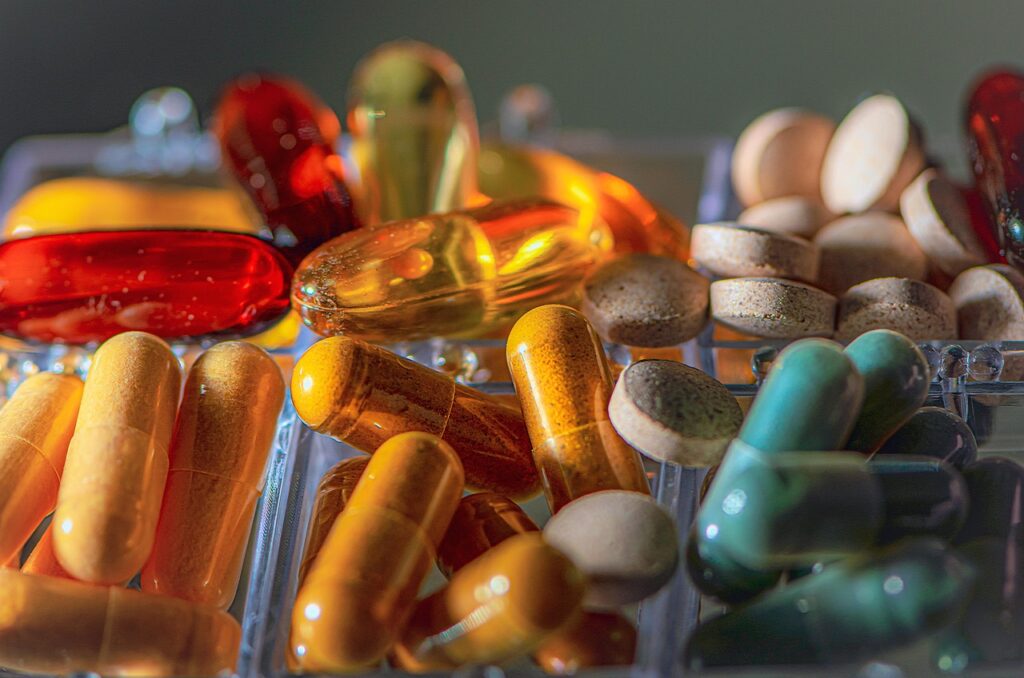
One of the most forgotten emergency kit items is medication, even though it plays a critical role in emergency preparedness. Many people pack a basic first-aid kit but forget to include everyday pain relievers and personal medications. During emergencies, stress, physical strain, and lack of sleep often make headaches, muscle pain, allergies, and stomach issues worse, not better.
Over-the-counter medications such as ibuprofen, acetaminophen, aspirin, allergy medicine, and anti-diarrhea tablets are essential additions to any emergency preparedness kit. When pharmacies are closed or access to medical care is limited, having these medications on hand can prevent minor problems from becoming serious health issues.
Prescription medications are especially important in an emergency survival kit. Missing doses can lead to dangerous complications, particularly during long power outages or natural disasters. Keeping a backup supply, along with a written list of medications and dosages, ensures continuity of care when help may be delayed. Including pain relievers and daily medications is a simple but vital step in building a complete emergency supplies checklist.
2. Extra Water Storage Containers
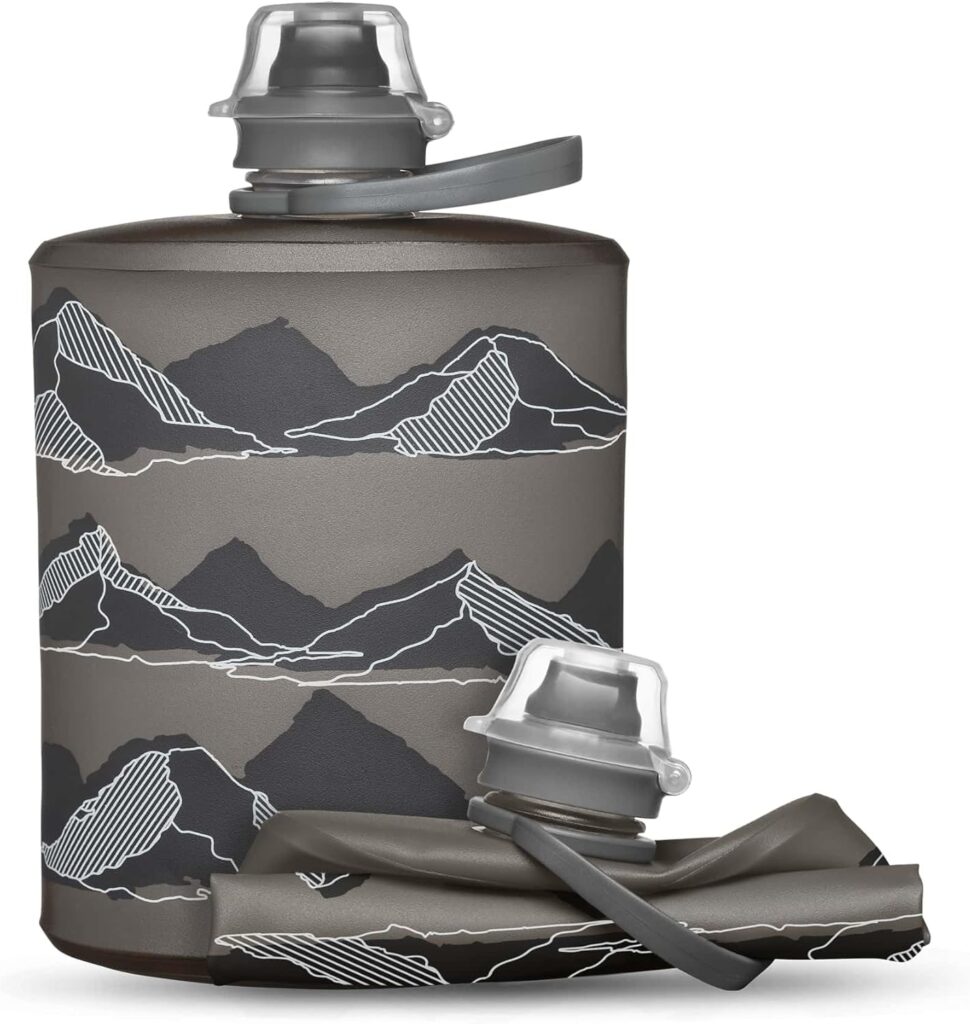
Extra water storage containers are one of those emergency kit essentials people in the U.S. often forget about. Most folks grab a few cases of bottled water and think they’re set, but that supply can disappear fast during a long power outage, hurricane, or winter storm. When the tap stops working or water pressure drops, having a backup plan really matters.
Collapsible water containers and emergency water jugs are an easy fix. They don’t take up much space when stored, but they can hold several gallons when you need them. These containers let you fill up ahead of a storm, store tap water, or safely carry water if you have to get it from another source during an emergency.
Adding reusable emergency water storage containers to your emergency preparedness kit helps you stay independent when utilities are down. Clean drinking water is one of the first things to become a problem in many U.S. emergencies, and planning ahead with proper water preparedness can save you a lot of stress when it counts most.
3. Hygiene and Sanitation Supplies
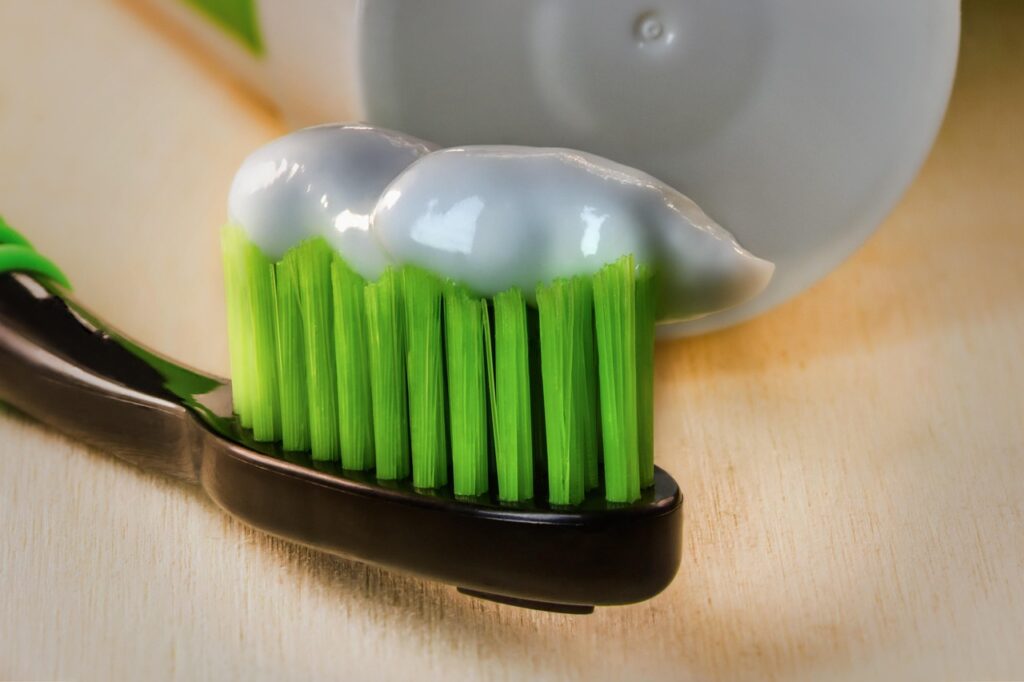
Hygiene items are easy to forget when building an emergency preparedness kit, but they become incredibly important once an emergency actually hits. When power is out or water is limited, staying clean isn’t just about comfort, it’s about staying healthy. Simple things like hand washing and basic hygiene can help prevent illness when medical care may be harder to reach.
Items like wet wipes, hand sanitizer, toilet paper, toothbrushes, toothpaste, and feminine hygiene products should be part of every emergency survival kit. If you’re stuck at home during a long power outage or staying in a shelter, these basics help you maintain some normalcy and reduce stress. They also come in handy when clean running water isn’t available.
Including proper emergency hygiene supplies in your kit supports overall disaster preparedness and helps protect you and your family from unnecessary health issues. In many emergencies across the U.S., sanitation becomes a challenge fast, and having the right supplies on hand can make a tough situation much more manageable.
4. Work Gloves

Work gloves are one of those emergency kit items most people don’t think about until they need them. After storms, earthquakes, or other disasters, a lot of emergency work involves moving debris, handling rough materials, or doing quick repairs. Without gloves, it’s easy to end up with cuts, blisters, or injuries that slow you down.
A durable pair of work gloves for emergencies protects your hands when clearing fallen branches, moving broken glass, or securing damaged property. Even basic tasks become harder when your hands are sore or injured, especially when medical help isn’t immediately available.
Adding work gloves to your emergency preparedness kit is a simple step that improves safety and efficiency. In real-world emergency situations across the U.S., protecting your hands helps you stay capable, mobile, and ready to handle whatever needs to get done.
5. Cash in Small Bills

Cash is one of the most forgotten emergency kit essentials, especially in the U.S. where most people rely on credit cards and mobile payments for everything. The problem is that when the power goes out, ATMs don’t work, card readers are down, and online payments become useless. In those situations, cash is often the only way to pay for gas, food, or basic supplies.
Keeping emergency cash in small bills is especially important. During disasters, businesses may not have change, and large bills can be hard to use. Small denominations make it easier to pay for essentials quickly without drawing attention or causing delays.
Adding emergency cash to your emergency preparedness kit gives you flexibility and independence when systems fail. Many real-world emergencies in the U.S. show that having even a small amount of cash on hand can make a big difference when access to banks and electronic payments is disrupted.
6. Laminated Personal Documents
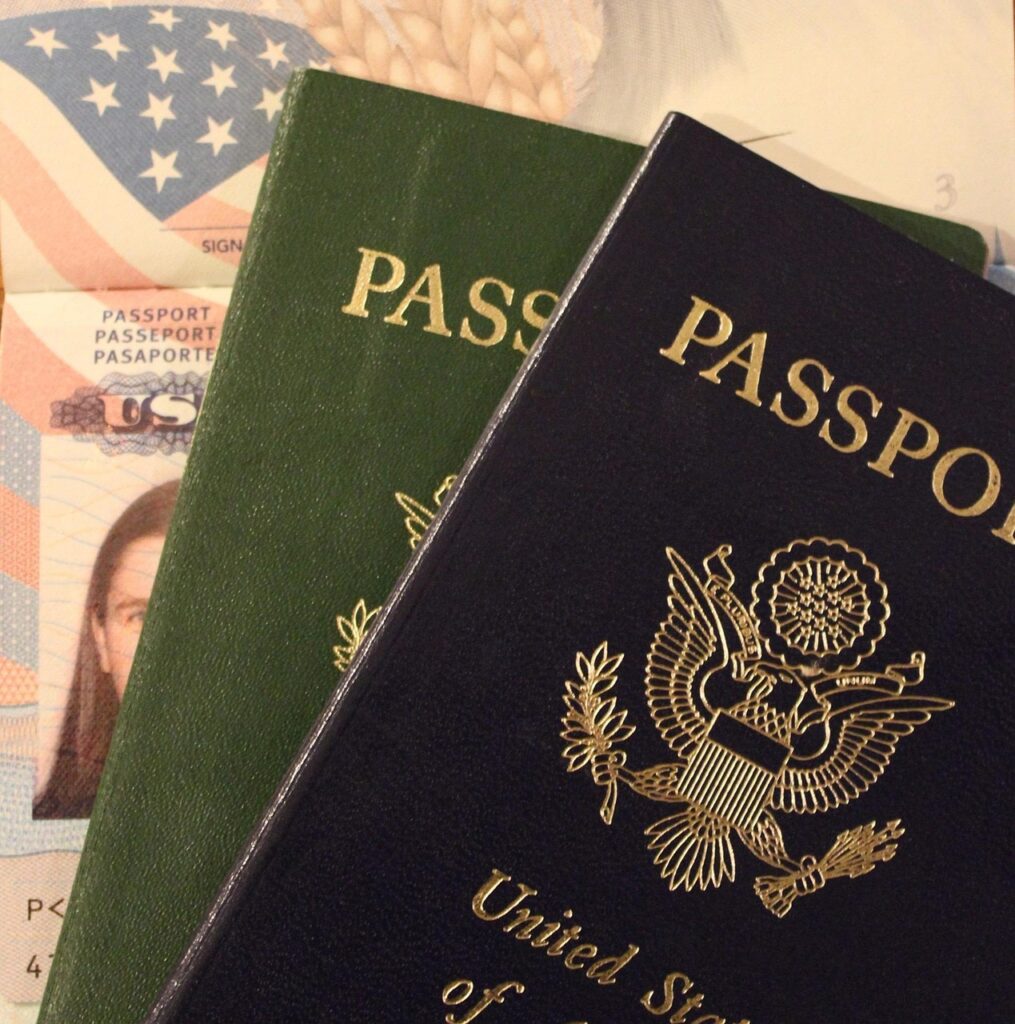
Laminated personal documents are an easy addition to an emergency kit that many people overlook. In situations involving water damage, fire, or sudden evacuation, important paperwork can be ruined or lost when you need it most. Having physical copies protected from the elements gives you a reliable backup when digital access isn’t an option.
Keeping laminated copies of personal documents like IDs, insurance cards, medical information, emergency contacts, and important phone numbers can save time and reduce stress. Waterproof documents are easier to handle in chaotic situations and can be useful when dealing with medical care, temporary housing, or insurance claims. Adding protected paperwork to your emergency kit helps you stay organized and prepared when things don’t go as planned.
7. Emergency Mylar Blankets
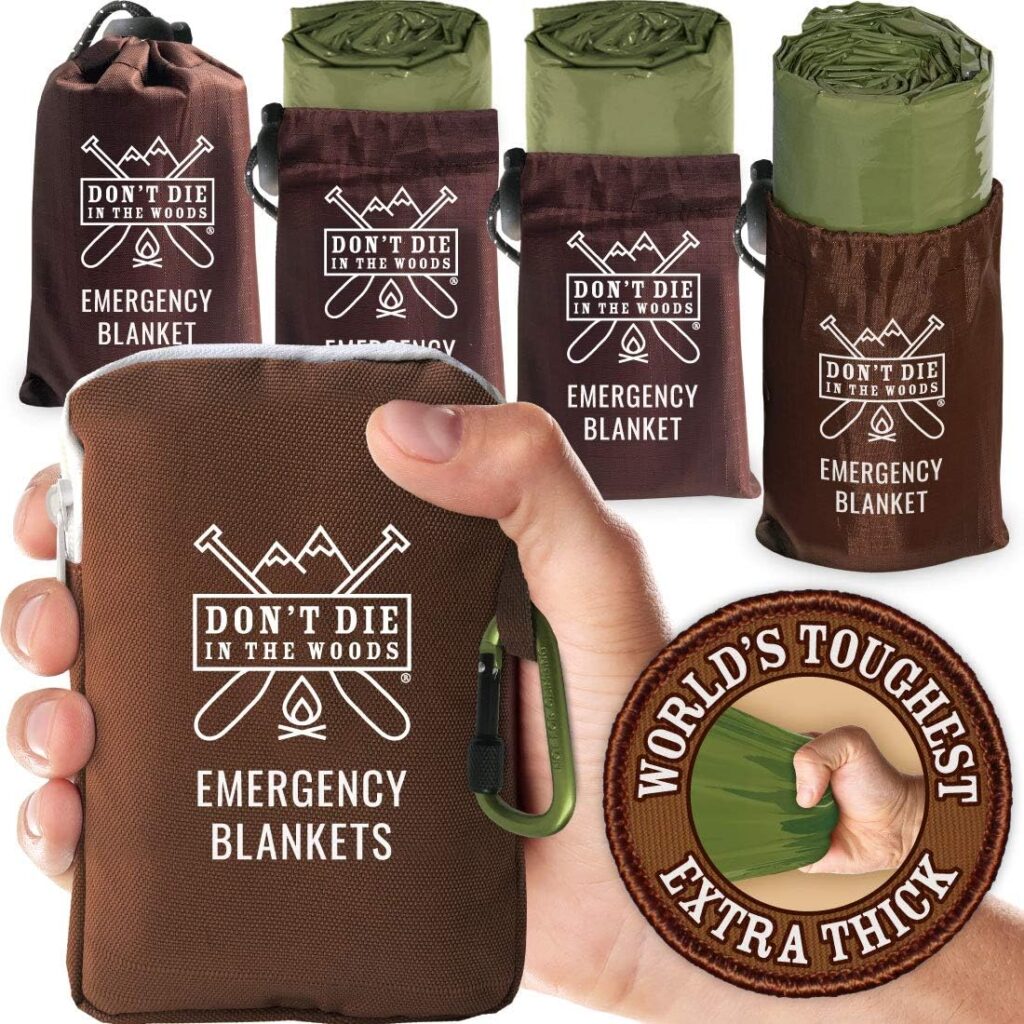
Emergency Mylar blankets are small, lightweight, and often underestimated, which is why many people forget to include them in their emergency kit. Despite their thin appearance, these blankets are designed to reflect body heat and help prevent heat loss in cold, wet, or windy conditions.
A Mylar emergency blanket can be used in many ways beyond warmth. It works as a ground barrier, a rain shield, or even a temporary shelter in a pinch. Because they take up almost no space, it’s smart to pack more than one in your emergency kit so you’re prepared for unexpected delays or changing weather.
Including emergency Mylar blankets adds a simple but effective layer of protection and comfort when conditions are unpredictable.
Final Thoughts
Building an emergency kit doesn’t have to be complicated or expensive, but it does require some thought. Many people focus on the obvious items like food and water while overlooking smaller essentials that make a big difference in real situations. The items covered here are often forgotten, yet they play a key role in comfort, safety, and staying functional when things don’t go as planned.
Preparedness is about being realistic, not extreme. A well-rounded emergency kit helps you stay calm, make better decisions, and avoid unnecessary stress during unexpected events. Taking a little time now to review your kit and fill in the gaps can go a long way toward making sure you and your family are ready when it matters most.
Even small improvements to your emergency supplies can increase confidence and peace of mind. When an emergency happens, you’ll be glad you planned ahead instead of wishing you had.