Survival skills aren’t just for extreme situations or hardcore outdoorsmen. They’re practical abilities that help you stay calm, safe, and self-reliant when normal systems fail. Power outages, severe weather, getting lost, or unexpected emergencies can happen to anyone, and knowing a few basic survival skills can make a huge difference.
You don’t need to live off the grid or own expensive gear to benefit from survival knowledge. Simple skills like finding clean water, making fire safely, or navigating without technology can help you handle real-world emergencies with confidence. These are the fundamentals that form the foundation of preparedness.
Below are the basic survival skills everyone should know, whether you’re preparing for emergencies, spending time outdoors, or simply want to be more self-reliant
Finding and Purifying Water
Water is the most important survival priority. The human body can only function for a short time without hydration, and even mild dehydration can reduce strength, focus, and decision-making. In any emergency or survival situation, finding a reliable source of water should be one of your first concerns.
Natural water sources can include rivers, streams, lakes, rainwater, snow, and even morning dew. Moving water is generally safer than standing water, but no untreated water should ever be assumed safe to drink. In urban or disaster scenarios, water may also be available from water heaters, toilet tanks (not the bowl), or melted ice. Knowing where to look gives you more options when normal water service is unavailable.
Purifying water is just as important as finding it. Drinking untreated water can lead to serious illness caused by bacteria, parasites, or viruses. Boiling water is one of the most effective purification methods and requires no special equipment beyond a heat source and container. Water filters remove most contaminants and are easy to use, while purification tablets provide a lightweight backup option. Understanding multiple purification methods ensures you can make water safe to drink even when one option isn’t available.
Learning how to find and purify water increases self-reliance and reduces risk in both outdoor survival and emergency preparedness situations. It’s a basic skill that can prevent dehydration, illness, and unnecessary panic when clean drinking water is limited or completely unavailable.
Making Fire Safely
Fire is one of the most useful survival tools, but it also needs to be handled with care. In emergency situations, fire provides warmth, light, the ability to cook food, purify water, and improve morale. Knowing how to start and manage a fire safely is a critical survival skill that applies both outdoors and during extended emergencies.
There are several ways to start a fire, including matches, lighters, and fire starters like ferro rods. Each method has its advantages, but it’s important to practice using them before you actually need them. Fire also requires proper materials. Dry tinder, kindling, and fuel wood help you build a fire that lights easily and burns steadily without wasting resources.
Fire safety is just as important as fire-starting ability. Fires should always be built in a safe location, away from flammable materials, structures, and dry brush. In emergency or outdoor settings, controlling the size of the fire helps prevent accidents and conserves fuel. Always fully extinguish a fire when you’re finished, making sure embers are cool to the touch. A well-managed fire provides comfort and utility, while an uncontrolled one can quickly become dangerous.
Basic Shelter Building
Shelter is about protecting your body from the elements and conserving energy. Exposure to cold, heat, wind, or rain can become dangerous faster than most people realize, even in mild weather. In survival situations, shelter often becomes a higher priority than food because maintaining body temperature is critical for survival.
A shelter doesn’t need to be complex to be effective. Simple options like tarps, emergency Mylar blankets, ponchos, or even natural features such as fallen trees and rock overhangs can provide protection from wind and precipitation. The goal is to block exposure, stay dry, and reduce heat loss or overheating depending on the environment.
Location matters when building shelter. Choosing a spot that is elevated, protected from wind, and away from flood-prone areas reduces risk. Proper shelter helps you rest, recover, and maintain mental clarity during emergencies. Knowing how to quickly create a basic shelter with limited materials is a skill that can significantly improve safety and comfort when conditions turn unpredictable.
Navigation Without Technology
Modern navigation relies heavily on GPS and smartphones, but in emergencies those tools aren’t always reliable. Batteries die, signals disappear, and devices can break. Basic navigation skills allow you to stay oriented and make informed decisions when technology fails.
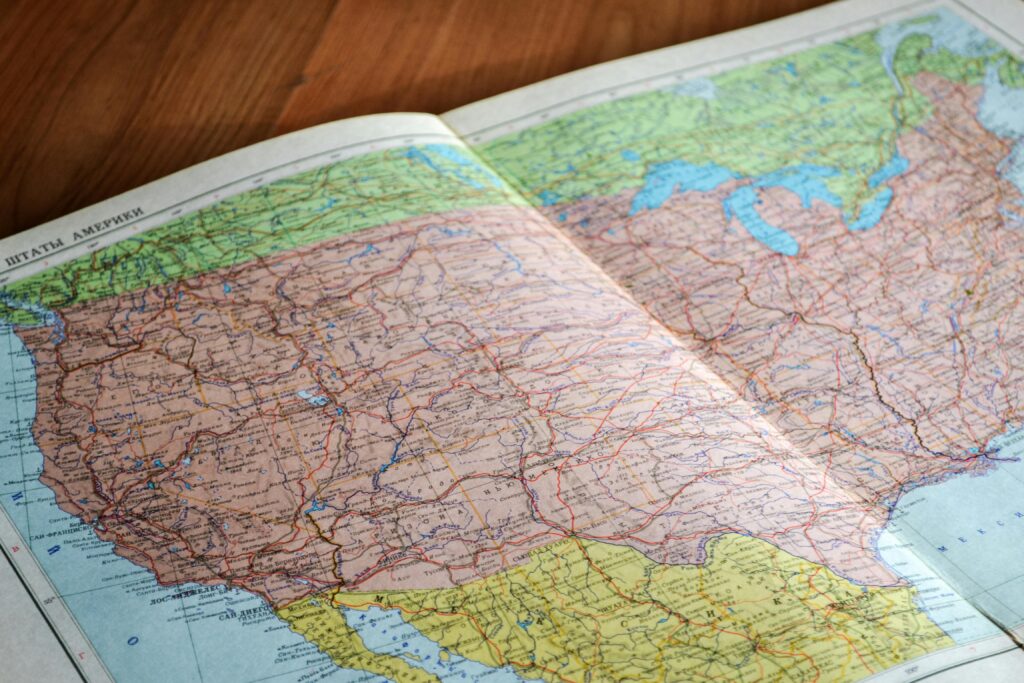
Understanding how to read a map and use a compass is one of the most reliable navigation methods. These tools don’t rely on batteries and work in nearly any environment. Knowing how to identify major landmarks, follow terrain features, and recognize elevation changes also helps prevent disorientation, especially in unfamiliar areas.
Natural navigation techniques can provide additional guidance. The position of the sun, shadows, and even the direction of prevailing winds can help determine direction. While these methods aren’t as precise as a compass, they can keep you moving the right way. Being able to navigate confidently reduces the risk of getting lost and helps conserve energy by avoiding unnecessary wandering.
First Aid and Injury Management
Injuries can happen at any time, and during emergencies they become more serious when medical help is delayed or unavailable. Knowing basic first aid skills allows you to respond quickly and prevent minor injuries from turning into major problems. Even simple actions can reduce pain, stop bleeding, and lower the risk of infection.
Basic first aid knowledge includes cleaning and dressing wounds, controlling bleeding, treating burns, and recognizing signs of shock. Understanding how to properly use a first aid kit is just as important as having one. In survival situations, staying calm and acting methodically helps you make better decisions and care for yourself or others effectively.
Injury management also involves knowing your limits. Pushing through pain or ignoring injuries can make recovery harder and increase risk. Proper first aid improves safety, preserves strength, and gives you time until professional medical care becomes available. It’s a skill that benefits everyone, not just those focused on preparedness.
Food Awareness and Rationing
Food is important for energy and morale, but in survival situations how you manage food matters more than how much you have. Knowing how to ration supplies helps extend your resources and prevents shortages before help arrives or conditions improve. Eating too much too early is a common mistake that leads to problems later.
Understanding which foods provide the most energy is key. Items high in calories, protein, and fats are more efficient and keep you full longer. In emergency situations, it’s often better to eat smaller, regular portions instead of large meals. This helps maintain energy levels and reduces strain on the body.
Food awareness also includes knowing what not to eat. Consuming spoiled food or unfamiliar plants can lead to illness at a time when medical care is limited. Proper food management keeps your body fueled, reduces stress, and supports clear thinking during emergencies.
Staying Calm and Making Decisions
One of the most important survival skills is the ability to stay calm under pressure. Panic leads to rushed decisions, wasted energy, and avoidable mistakes. In emergency situations, controlling stress and thinking clearly can be just as important as any physical skill.
Staying calm allows you to assess your surroundings, identify priorities, and take purposeful action. Simple habits like slowing your breathing, focusing on immediate needs, and breaking problems into smaller steps help reduce anxiety. A clear mindset improves problem-solving and helps you conserve both physical and mental energy.
Good decision-making is about choosing actions that improve your situation, not reacting emotionally. Knowing when to move, when to stay put, and how to manage limited resources requires patience and awareness. Survival often depends more on mindset than strength, and staying calm gives you the advantage when circumstances are uncertain.

Final Thoughts
Basic survival skills are not about extreme scenarios or living off the grid. They are practical abilities that help you stay safe, calm, and in control when something unexpected happens. Power outages, severe weather, getting lost, or delayed help are situations anyone can face, and having these skills gives you options when normal systems stop working.
The most important takeaway is that survival skills work together. Knowing how to find water, make fire safely, build shelter, manage food, handle injuries, and stay calm creates a strong foundation for preparedness. You don’t need to master everything overnight. Learning and practicing even a few of these skills can greatly improve your confidence and decision-making during emergencies.
Preparedness is about mindset as much as it is about gear. Tools can be lost or broken, but skills stay with you. By developing basic survival knowledge now, you put yourself in a better position to handle challenges, protect yourself and others, and adapt when situations don’t go as planned.