Power Outages and Blackouts: What They Are and How to Be Prepared
Blackouts are one of the most common emergencies people experience, yet they’re often underestimated. A sudden power outage can turn everyday life upside down in minutes, affecting lighting, heating or cooling, communication, food storage, and even access to basic services. While many blackouts last only a short time, others can stretch into hours or days, creating real challenges for individuals and families.
What makes blackouts especially difficult is how unpredictable they are. Severe weather, overloaded power grids, or equipment failures can knock out electricity without warning. When the power goes out, stores may close, cell networks can become unreliable, and normal routines quickly disappear. Understanding why blackouts happen and knowing how to prepare ahead of time can help reduce stress, improve safety, and make a power outage far more manageable when it occurs.
What Is a Blackout?
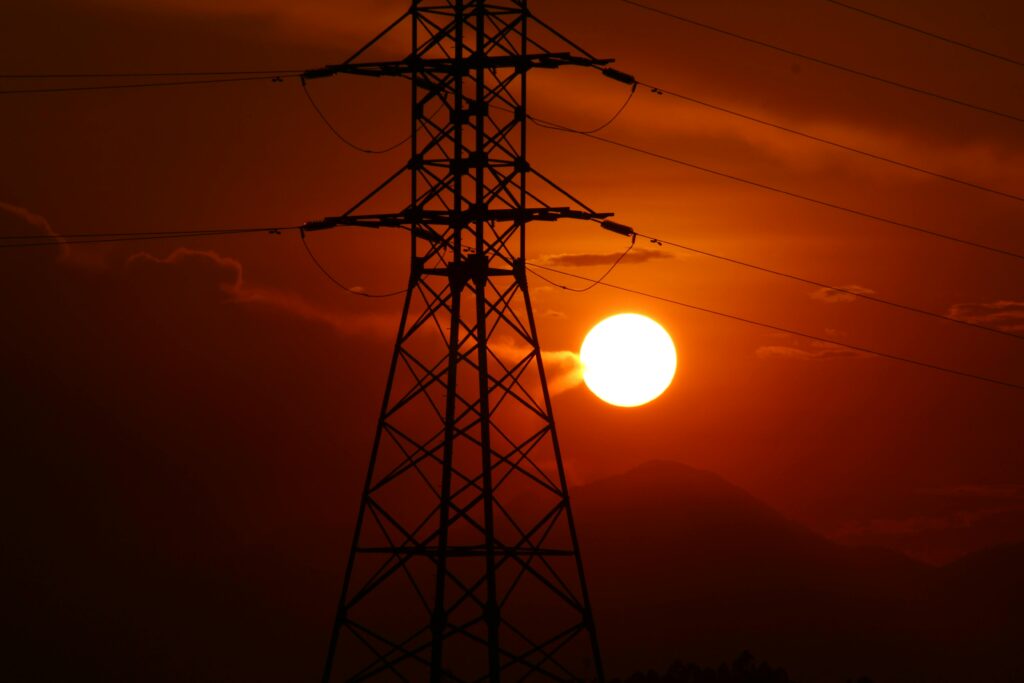
A blackout is a complete loss of electrical power caused by a failure somewhere in the electrical grid. Unlike brief power flickers or short outages, a blackout means electricity is completely unavailable for an extended period of time. Depending on the situation, a blackout can affect a single home, an entire neighborhood, or large regions at once.
Electricity powers nearly every part of modern life, which is why blackouts have such a wide impact. When the power goes out, lighting, heating and air conditioning, refrigeration, internet, and phone charging all stop working. Many systems people depend on every day, such as gas pumps, ATMs, traffic lights, and communication networks, also rely on electricity. As a blackout continues, these disruptions can quickly compound and make simple tasks more difficult.
Blackouts can last anywhere from a few minutes to several days. Short blackouts are usually caused by minor equipment issues or temporary overloads, while longer blackouts often result from severe weather, infrastructure damage, or large-scale grid failures. Restoration time depends on how extensive the damage is, weather conditions, and how accessible the affected areas are for repair crews.
Understanding what a blackout really means helps set realistic expectations during a power outage. It explains why services may not return immediately and why preparation matters. When people know how blackouts affect essential systems, they are better equipped to respond calmly, stay safe, and manage daily needs until power is restored.
Common Causes of Blackouts
Blackouts can happen for many reasons, and not all of them are weather-related. Severe storms, hurricanes, heavy snow, ice, and extreme heat are some of the most common causes. High winds and falling trees can take down power lines, while heat waves and cold snaps place heavy strain on the electrical grid as demand spikes.
Another major factor is grid overload and infrastructure failure. During periods of high demand, utilities may perform controlled shutdowns to prevent larger system collapses. Aging power infrastructure is also more vulnerable to failure, especially when equipment is pushed beyond its limits. Accidents such as vehicle collisions with utility poles or construction damage can also trigger sudden power outages.
From a preparedness perspective, it’s important to understand that blackouts aren’t always caused by natural events. Large-scale disruptions can also result from cyberattacks, technical failures, or electromagnetic pulses, commonly referred to as EMPs. An EMP can damage or disable electrical systems over a wide area, potentially leading to long-term power loss. While rare, EMP scenarios highlight how dependent modern society is on electricity and why preppers focus on redundancy, self-reliance, and long-term blackout preparedness rather than assuming power will always return quickly.
Why Time Matters During a Blackout
The first few hours of a blackout are usually manageable. Most people rely on flashlights, phone batteries, and the food already in their fridge. But once a blackout passes the 48-hour mark, the situation starts to change fast. Refrigerated food begins to spoil, phone batteries are dead, gas stations stop operating, and access to fresh water can become limited. Stress increases, and small problems quickly turn into serious ones.
After 72 hours without power, the chances of electricity being restored drop significantly, especially during large-scale grid failures or widespread damage. At this point, emergency services may be overwhelmed, supply chains are disrupted, and outside help becomes less reliable. This is the window where true preparedness matters most. Preppers focus on this time frame because it’s when unprepared households struggle the most and self-reliance becomes critical.
Understanding how quickly conditions can deteriorate during extended blackouts is key to realistic preparedness. Planning beyond the first day or two means having backup power, water storage, food that doesn’t rely on refrigeration, and the ability to operate without modern conveniences. When a blackout lasts longer than expected, preparation isn’t optional, it’s what determines how well you get through it.

How to Prepare for a Long-Term Blackout
Preparing for a long-term blackout means accepting that electricity may not come back quickly and planning accordingly. The goal of preparedness isn’t to expect the worst, but to remove uncertainty and reduce stress when normal systems fail. Once a blackout lasts more than a day or two, everyday conveniences turn into real needs, and having a plan makes a major difference.
Water and food should always come first. Store enough drinking water for every person in your household, along with extra water for basic hygiene and cleaning. Food should be shelf-stable and easy to prepare without electricity. Canned foods, freeze-dried meals, rice, and ready-to-eat items allow you to maintain calories and nutrition when refrigeration and microwaves aren’t available. Simple cooking options like camp stoves or grills can be useful, but only when used safely and with proper ventilation.
Lighting and visibility are another major concern. A long-term blackout means nights are truly dark, and poor lighting increases the risk of accidents and injuries. Flashlights, headlamps, and lanterns should be placed in accessible locations throughout the home. Battery management becomes important, so having spare batteries, rechargeable lights, or solar-powered options helps extend your capabilities without wasting resources.
Preparedness also means planning for power alternatives and communication. Portable power stations, battery banks, and solar chargers can keep critical devices running, such as phones, radios, or medical equipment. At the same time, it’s smart to assume communication may be limited. A battery-powered or hand-crank radio can help you stay informed when internet and cell service are unreliable.
Finally, long-term blackout preparation includes safety, health, and security. Keep a well-stocked first-aid kit, personal medications, and basic hygiene supplies. Secure your home, limit unnecessary exposure at night, and maintain situational awareness. When power stays off longer than expected, preparedness shifts from convenience to survival, and the people who planned ahead are the ones who stay calm, capable, and in control.
Common Mistakes People Make During Blackouts
One of the most common mistakes during a blackout is assuming the power will be restored quickly. Many people treat the first few hours as an inconvenience rather than a warning. This leads to poor resource management, such as opening the refrigerator too often, draining phone batteries on non-essential use, or delaying preparation steps. When the outage lasts longer than expected, supplies are already low and options become limited.
Another major mistake is over-reliance on modern technology. Smartphones, smart home devices, and internet-based tools feel essential, but they become useless once batteries die or networks fail. Without backup power, alternative lighting, or offline communication methods, people can quickly lose access to news, weather updates, and emergency information. A lack of planning in this area often leaves households isolated and unprepared.
Safety mistakes also increase during blackouts. Candles are commonly used for light, yet they significantly raise the risk of accidental fires, especially at night. Improper generator use is another serious hazard. Running generators indoors, in garages, or too close to windows can cause carbon monoxide buildup, which is deadly and often goes unnoticed. Even basic tasks become riskier when visibility is low and stress is high.
A final mistake is waiting too long to adapt. People often stay in “wait and see” mode instead of shifting into a preparedness mindset. By the time they realize the blackout is serious, stores are closed, fuel is unavailable, and help is delayed. Blackouts reward those who act early, conserve resources, prioritize safety, and stay flexible as conditions change.
Blackout Safety Tips Everyone Should Know
Safety becomes a top priority the moment a blackout begins, especially as time goes on. Darkness, limited communication, and disrupted routines increase the risk of accidents inside and outside the home. One of the first things to focus on is lighting. Avoid using candles whenever possible, as they are a major fire hazard during power outages. Battery-powered lanterns, flashlights, and headlamps provide safer and more reliable light, especially at night or when moving around unfamiliar areas.
Generator safety cannot be overstated. Portable generators should always be operated outdoors, well away from doors, windows, and vents. Carbon monoxide is invisible, odorless, and deadly, and improper generator use is a leading cause of fatalities during extended blackouts. Fuel-powered equipment, including grills and camp stoves, should never be used indoors or in enclosed spaces. Installing carbon monoxide detectors adds an extra layer of protection when backup power is in use.
Food and water safety also become critical during blackouts. Refrigerated food can spoil quickly once power is lost, and consuming unsafe food can lead to illness when medical care may be limited. When in doubt, it’s better to discard questionable food. Water safety matters just as much. If water service is disrupted or advisories are issued, water should be boiled, filtered, or treated before drinking. Clean water is essential not only for hydration but also for basic hygiene.
Staying informed is another key safety factor. When cell networks and internet access are unreliable, a battery-powered or hand-crank radio can provide emergency alerts, weather updates, and instructions from local authorities. Finally, limit unnecessary travel, especially at night. Traffic lights may not work, roads may be blocked, and visibility can be poor. Simple precautions and awareness go a long way toward staying safe during a blackout.
Final Thoughts
Blackouts are one of those emergencies that most people don’t take seriously until they’re living through one. When electricity disappears, daily routines quickly break down and even simple tasks become more difficult. What starts as a temporary inconvenience can turn into a serious situation if the outage lasts longer than expected. Understanding this reality is the first step toward meaningful preparedness.
The key takeaway is that time changes everything. The longer a blackout lasts, the more pressure it puts on food supplies, water access, communication, and personal safety. Planning only for a few hours isn’t enough. Being prepared means thinking in terms of days, not minutes, and having systems in place that allow you to adapt instead of react.
Preparedness doesn’t have to be extreme or overwhelming. Small, thoughtful steps like storing extra water, having reliable lighting, planning alternative power options, and understanding basic safety rules make a huge difference. These preparations reduce stress, improve decision-making, and help you stay focused when others are scrambling.
Blackouts will continue to happen, whether from weather, infrastructure problems, or unexpected events. You can’t control when the power goes out, but you can control how ready you are when it does. Taking the time to prepare now puts you in a position of confidence and self-reliance, no matter how long the lights stay off.
Best Prepper Deals
Join our Telegram channel. We share the best Amazon deals for preppers.