Knives

What Knife Should I Choose?

How to Choose the Best Knife for you

Choosing a survival or outdoors knife is not about finding a single perfect knife that works for everyone. The right choice depends on many factors, such as the environment you will be in, the climate, and how the knife will be used.

Conditions like humidity, rain, and temperature can strongly influence what materials make sense. In wet or coastal areas, corrosion resistance becomes more important, while in dry environments toughness and ease of sharpening may matter more. The purpose of the knife also plays a major role. A knife used mainly for bushcraft and wood processing will have different priorities than one intended for emergency survival, hunting, or general camp tasks.

Other elements to consider include legal restrictions, how much weight you are willing to carry, and your experience with maintaining a knife in the field. Whether the knife is your primary tool or simply a backup can also change what features are most important.

In the end, there is no universal survival knife. Understanding your specific conditions and needs is the first and most important step in choosing a knife that will actually serve you well outdoors.

d4c12d29bf0ff40d8b71fd112f9bbc3a

The Best Type of Knife

The first practical choice after defining your needs is deciding what type of knife you require. The main distinction is between fixed blade, folding knives, and everyday carry use, and this choice will strongly affect strength, convenience, and intended purpose.

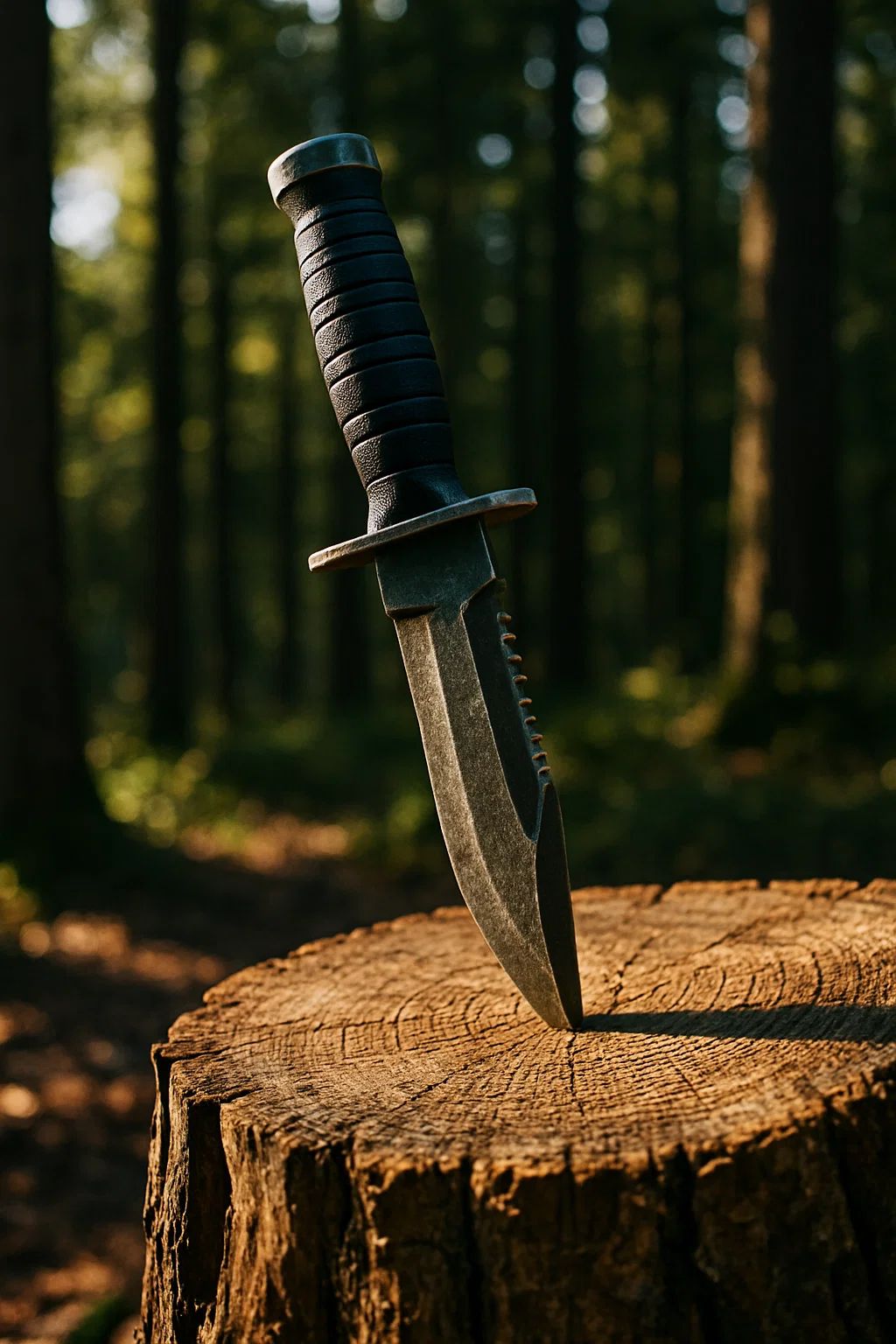
Fixed blade knives are generally preferred for survival and outdoor applications. They are stronger, more durable, and have no moving parts that can fail in harsh conditions. This makes them well suited for demanding tasks such as processing wood, building shelters, preparing food, and general camp work. Fixed blades are also easier to clean and maintain, especially in muddy, wet, or cold environments.

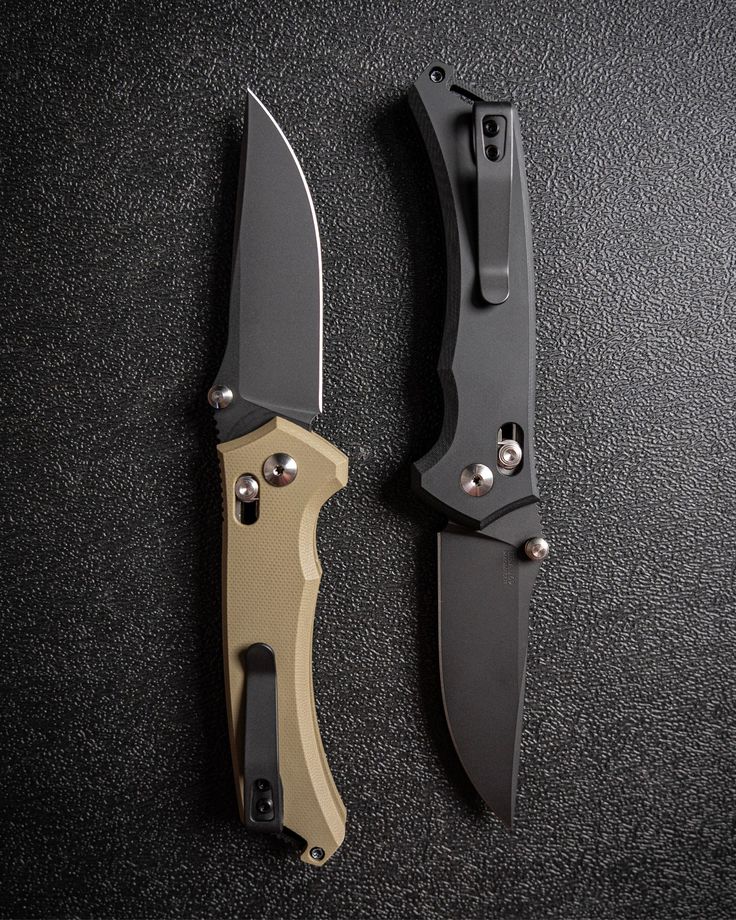
Folding knives offer a good balance between capability and portability. They are compact, lightweight, and easy to carry, which makes them especially well suited for everyday carry. In many regions, folding knives are also more acceptable under local laws. They work well for light camp tasks and general utility cutting, but the locking mechanism remains a potential point of failure under heavy stress.

Everyday carry knives, often referred to as EDC knives, are intended to be carried daily for common tasks. For this role, a folding knife is usually the better option because it is safer to carry, more discreet, and more convenient than a fixed blade. While an EDC folding knife can handle basic outdoor tasks, it is not designed to replace a dedicated survival knife. In outdoor or emergency situations, it should be seen as a supplementary tool rather than a primary one.

Choosing the right type depends on whether the knife will serve as a main survival tool, a backup, or an everyday utility knife.

93b1c91ab7453955558a655431ebcfb4

Blade Length

After choosing the type of knife, blade length is one of the most important factors to consider. The length of the blade affects control, cutting efficiency, safety, and how easy the knife is to carry and use in different situations.

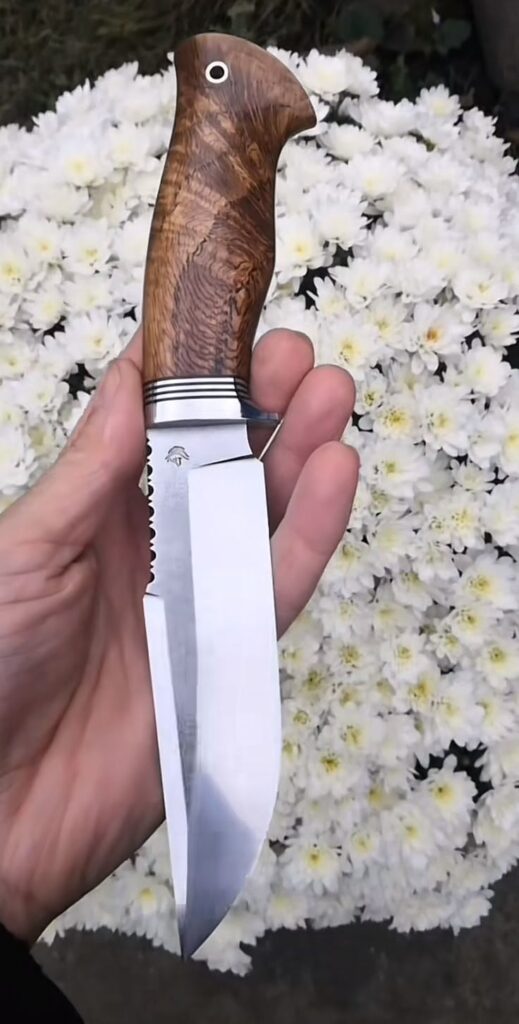
For most survival and outdoor tasks, a blade length between 4 and 6 inches offers the best balance. This range is long enough to handle tasks such as wood processing, food preparation, and light chopping, while still being short enough to allow precise control for finer work. Knives in this size range are also easier to carry on a belt without becoming cumbersome.

Shorter blades, typically under 4 inches, are common on EDC and folding knives. They are excellent for everyday tasks and fine cutting but can be limiting when it comes to heavier outdoor work. Tasks like batoning wood or clearing vegetation become more difficult with a shorter blade.

Longer blades, over 6 or 7 inches, can provide more reach and chopping power, but they come with drawbacks. They are heavier, less precise, and can be tiring to use for extended periods. In many cases, the extra length offers little advantage for general survival use.

The ideal blade length ultimately depends on how the knife will be used, but for a single, versatile outdoor or survival knife, a mid-length blade is usually the most practical choice.

c0b236007e24ce1dbee4b74ebd0d340c

Blade shape

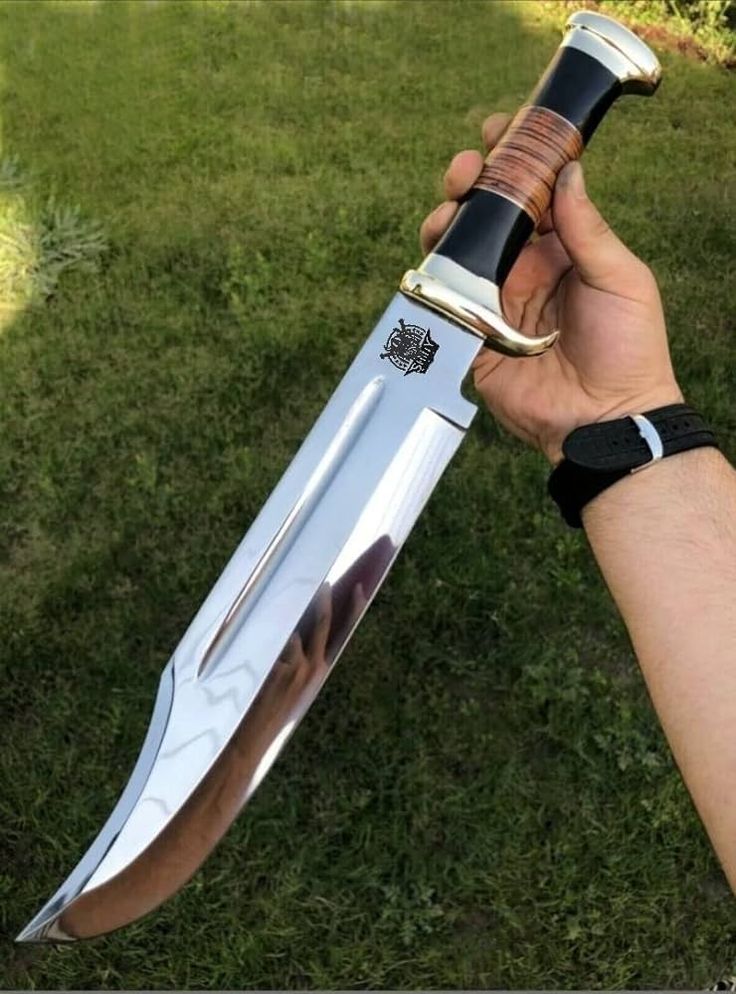
Blade shape has a significant influence on how a knife performs and how durable it is in demanding outdoor conditions. Different shapes are designed to excel at different tasks, so choosing the right one helps ensure the knife is both effective and reliable.

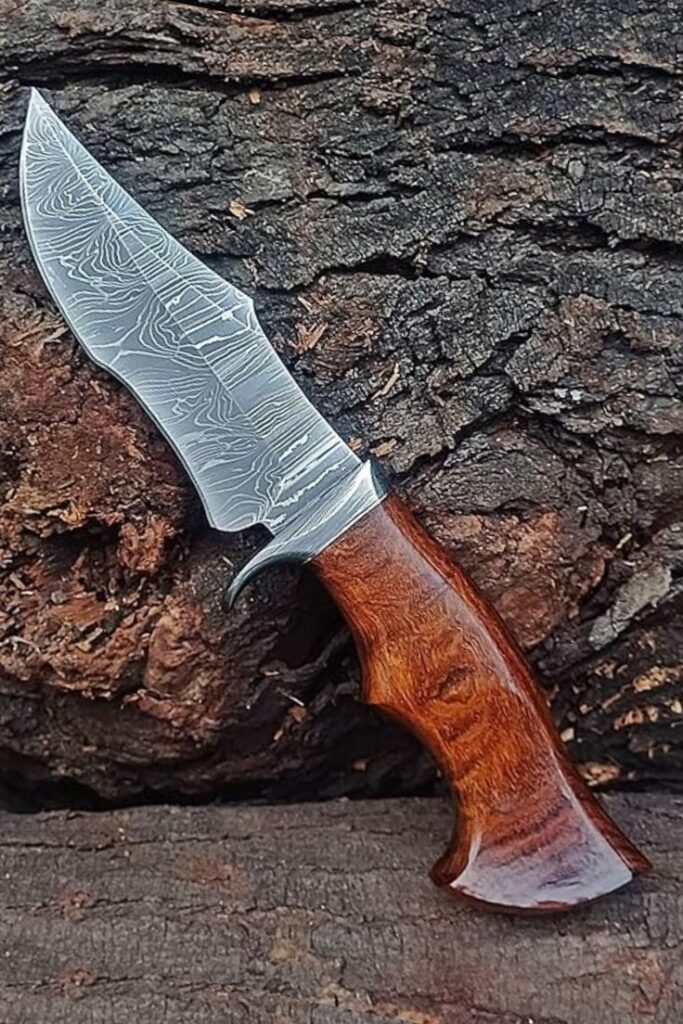
Drop point blades are among the most versatile options for survival and outdoor use. They have a strong tip and a smooth, controllable cutting edge, making them well suited for wood work, food preparation, and general camp tasks. The lowered tip reduces the risk of breakage and provides good control for detailed cutting.

Clip point blades have a more pronounced tip, which makes them effective for piercing and fine tip work. However, the thinner tip is generally weaker than that of a drop point, which can be a disadvantage for heavy-duty survival tasks.

Spear point blades offer a balanced design with the tip aligned along the center of the blade. While they provide good symmetry and strength, they are less common in traditional outdoor knives and may not offer clear advantages for general bushcraft or survival use.

Blade shapes designed primarily for combat or tactical use, such as dagger-style blades, are usually not ideal for outdoor work. They often sacrifice cutting efficiency and durability for features that are less useful in a survival or bushcraft context.

For most outdoor and survival situations, a simple, practical blade shape with a strong tip and efficient cutting edge is the most reliable choice.

01d4fce045d3a385bdc1cc55e16f8748

Blade thickness

Blade thickness plays a key role in determining how strong a knife is and how well it performs during different tasks. A blade that is too thin may lack durability, while one that is too thick can be difficult to cut with efficiently.

For most survival and outdoor knives, a blade thickness between about 3 and 5 millimeters offers a good balance. This range provides enough strength for tasks like batoning wood and general heavy use, while still allowing the blade to slice effectively during food preparation and fine cutting.

Thinner blades are often found on EDC and folding knives. They excel at slicing and precision work but are more prone to bending or damage when used for hard tasks. As a result, they are better suited for light-duty use rather than survival scenarios.

Very thick blades may appear stronger, but they often sacrifice cutting performance. Excessive thickness increases weight and makes the knife less efficient for carving and slicing. In many cases, a moderately thick blade will outperform an overly thick one in real outdoor use.

Choosing the right blade thickness depends on how demanding the intended tasks are, but for a versatile survival knife, a balanced thickness is generally the most practical option.

4298900f72897493a94d452fde97fd39

Blade steel

The type of steel used in the blade has a major impact on edge retention, toughness, corrosion resistance, and how easy the knife is to maintain in the field. No steel is perfect, and the best choice depends on environment, climate, and user experience.

Carbon steels are popular among outdoorsmen because they are tough and relatively easy to sharpen, even with simple tools. They perform well under hard use and are less likely to chip. However, they are more prone to rust, especially in humid or wet environments, and require regular care such as drying and oiling.

Stainless steels offer better corrosion resistance, which makes them well suited for wet, coastal, or rainy conditions. They generally require less maintenance, but some stainless steels can be harder to sharpen in the field and may be more brittle under heavy stress.

Modern tool steels and powder steels attempt to balance toughness, edge retention, and corrosion resistance. They can offer excellent performance, but they often come at a higher cost and may still require more advanced sharpening techniques.

When choosing blade steel, it is important to consider how much maintenance you are willing to perform, the climate you will be operating in, and your sharpening skills. A steel that fits your environment and experience level will be more valuable than one with impressive specifications alone.

6e3faf51cb531639d10a24cfdec2b141

Tang construction

Tang construction refers to how the blade steel extends into the handle, and it is a critical factor for strength and reliability in a survival or outdoor knife. A well-designed tang helps the knife withstand heavy use without failure.

A full tang, where the steel runs through the entire length of the handle, is generally the preferred option for survival knives. This construction provides maximum strength and stability, making it suitable for tasks such as batoning, chopping, and other demanding work. Full tang knives are also more predictable and safer under stress.

Partial tang designs reduce weight and can be adequate for light-duty knives, but they are not ideal for heavy outdoor use. In survival situations, the reduced strength of a partial tang can become a serious disadvantage.

Hollow-handle and narrow rat-tail tang designs are often marketed as survival features, but they tend to be weaker and less reliable. These designs introduce failure points and are not well suited for hard or prolonged use.

For a dependable survival or outdoor knife, a strong and well-executed tang construction is essential, and a full tang is usually the safest and most durable choice.

f9bce88317d429dec9a492e100f16fcd

Handle design and material

The handle is one of the most important parts of a survival or outdoor knife, as it directly affects comfort, control, and safety during use. A blade can have excellent steel and geometry, but if the handle is uncomfortable or slippery, the knife will be difficult and even dangerous to use.

Good handle ergonomics are essential. The handle should fit your hand well, allow for multiple grip positions, and avoid sharp edges or pressure points that can cause discomfort during prolonged use. A slight guard or finger choil can improve safety by helping prevent the hand from slipping onto the blade.

Handle materials should provide a secure grip in both dry and wet conditions. Materials such as micarta, G10, and textured synthetic compounds are popular because they are durable, weather-resistant, and offer good traction. Rubberized handles can also provide excellent grip, though they may wear faster over time.

Natural materials like wood or leather can be comfortable and visually appealing, but they often require more maintenance and may be affected by moisture, temperature changes, or prolonged exposure to the elements.

When choosing a knife, it is important to handle it if possible. A handle that feels secure and comfortable in your hand will make the knife more effective and safer to use in real outdoor conditions.

01f2b5514203ec3f442f4507b860aaa5


Scroll to Top