The Ultimate Camping Guide
Why Camping Is More Popular Than Ever
Camping is no longer just about sleeping outdoors it’s about freedom, self-reliance, and reconnecting with nature. Whether you’re car camping for a weekend or backpacking into the wilderness, proper preparation is what separates an amazing trip from a dangerous one.
This guide covers everything you need to know, from beginner basics to advanced survival tips.
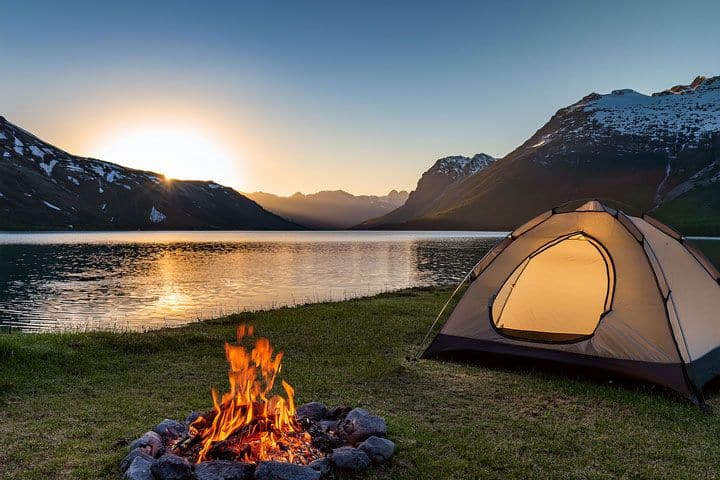
Types of Camping (Choose Your Style)
Car Camping
Drive directly to your campsite
Ideal for beginners and families
Allows heavier and more comfortable gear
Best gear: large tents, coolers, camp chairs, air mattresses
Backpacking
Hiking with all gear on your back
Requires lightweight and compact equipment
Demands planning and physical fitness
Best gear: 40L–60L backpacks, lightweight tents, freeze-dried food
Wild Camping
No facilities or services
Complete self-sufficiency
Requires navigation and survival skills
Best gear: water filters, GPS, emergency shelter, first aid kits
Bushcraft Camping
Minimalist and skill-based
Focus on fire, shelter, food, and navigation
Popular among preppers and survivalists
Best gear: knives, ferro rods, tarps, paracord, multitools
Planning Your Camping Trip
Choosing a Campsite
Public campgrounds vs wilderness areas
Permit and regulation research
Distance from water sources
Terrain, shade, and wind exposure
Weather & Seasonal Planning
Understanding temperature swings
Rain, wind, and storm risks
Seasonal gear adjustments
Trip Duration & Packing Strategy
Day trip vs weekend vs multi-day
Weight vs comfort trade-offs
Food and water calculations
The Ultimate Camping Gear Checklist
Backpacks
20L for short hikes, essentials only
40L for weekend camping
60L+ for multi-day or survival trips
A good backpack should fit your torso, distribute weight evenly, and have padded straps.
Shelter
Tent (1-person, 2-person, family)
Tarp or bivy sack
Groundsheet / footprint
Stakes and guylines
Sleep System
Sleeping bag (temperature rated)
Sleeping pad (insulation is critical)
Pillow (optional but comfortable)
Cold ground can cause hypothermia even in mild weather.
Footwear
Waterproof hiking boots
Camp shoes or sandals
Extra socks (preferably merino wool)
Blisters are one of the most common camping injuries.
Cooking & Food
Camping stove
Fuel
Cookware set
Spork or utensils
Cooler or food bags
Bear-proof storage where required
Water & Hydration
Water bottles or hydration bladder
Water filter or purification tablets
Backup purification method
Never rely on untreated water.
Lighting & Power
Headlamp (essential)
Lantern
Flashlight
Power bank or solar charger
Safety & Survival Gear
First aid kit
Multitool or knife
Fire starter
Emergency whistle
Map & compass
GPS or satellite communicator
This gear can save your life.
What to Wear Camping (Layer System)
Base Layer
Moisture-wicking shirts and underwear.
Insulation Layer
Fleece or down jacket for warmth.
Outer Layer
Waterproof and windproof shell.
Accessories
Hat
Gloves
Sunglasses
Avoid cotton, it traps moisture.
Campfire & Cooking Safety
Follow local fire regulations
Keep fires small
Never leave fire unattended
Fully extinguish before sleeping
Wildlife Safety
Store food properly
Never feed animals
Keep distance
Learn local wildlife behavior
Camping Safety Tips
Stay hydrated
Pace yourself
Watch footing
Know when to turn back
Carry emergency supplies
Leave No Trace Principles
Pack out trash
Respect wildlife
Minimize campfire impact
Stay on trails
Be considerate of others
Common Beginner Mistakes
Overpacking
Ignoring weather
Cheap low-quality gear
Poor footwear
No backup lighting
Not testing gear beforehand
Recommended Camping Gear
For beginners and experienced campers alike, choosing reliable gear makes every trip safer and more enjoyable.
👉 Below are the camping products I personally recommend from Amazon.
Tent –> Coleman Sundome Camping Tent
- 2 person capacity
- Item Weight: 7.5 pounds Floor Width: 10 Feet
- Weatherproof + Waterproof
Backpack –> Teton 45L Scout Internal Frame Backpack
- Hydration Capacity: 3 Liters
- Weight: 3.9 pounds (1.75 kg)
- Dimensions: 28″ x 15″ x 10″
COOKING & FOOD
Fire-Maple Camping Stove System – Shop here
Coleman Outdoor Folding Table – Shop here
Freeze Dried Camping & Backpacking Food | 12 Servings – Shop here