The Ultimate Hunting Guide
Everything You Need to Know About Hunting, Gear, Safety, and Success
Hunting is one of the oldest and most respected outdoor skills in human history. Today, modern hunting combines tradition, conservation, strategy, and preparation. Whether you hunt deer, elk, turkey, small game, or predators, success depends on knowledge, patience, and the right equipment.
This complete hunting guide covers:
Types of hunting
Essential hunting gear
Firearms, bows, and ammo
Scouting and tracking
Safety and ethics
Beginner mistakes
Survival and field skills
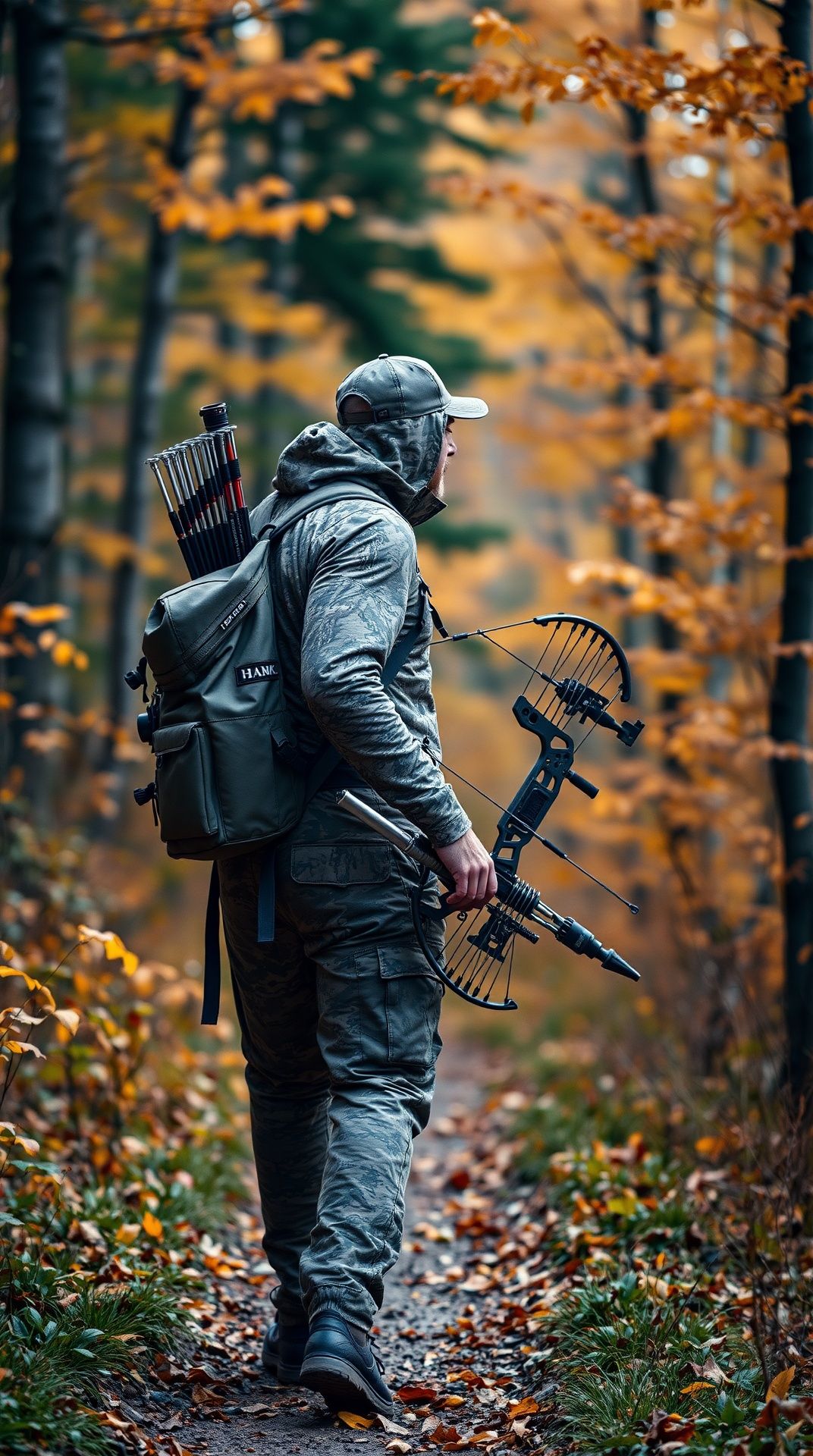
What Is Hunting?
Hunting is the practice of pursuing wild game for food, population control, and conservation. Ethical hunting follows local laws, seasons, and wildlife management principles.
Modern hunters focus on:
Sustainable harvesting
Respect for wildlife
Skill development
Safety and responsibility
Types of Hunting (By Method)
Rifle Hunting
Rifle hunting is the most common hunting method in North America.
Best for:
Deer hunting
Elk hunting
Moose hunting
Long-range shots
Key features:
Accuracy
Power
Longer effective range
Bow Hunting
Bow hunting is more challenging and skill-based.
Best for:
Whitetail deer
Elk
Turkey
Advantages:
Quieter
Longer seasons in many states
Requires closer shots
Shotgun Hunting
Shotguns are ideal for:
Bird hunting
Small game
Some deer seasons
Popular game:
Turkey
Duck
Pheasant
Rabbit
Small Game Hunting
Often the best entry point for beginners.
Game includes:
Squirrel
Rabbit
Upland birds
Benefits:
High success rate
Low-cost gear
Great for skill-building
Types of Hunting (By Style)
Spot and Stalk Hunting
Actively moving and searching for game.
Best for:
Western hunting
Open terrain
Still Hunting
Slow, deliberate movement through habitat.
Best for:
Dense forests
Whitetail deer
Stand Hunting (Tree Stand or Ground Blind)
Waiting for animals to move naturally.
Best for:
Deer
Turkey
Essential Hunting Gear Checklist
Weapons & Ammunition
Rifle / Bow / Shotgun
Proper caliber or draw weight
Quality ammunition or broadheads
Weapon sling or quiver
Hunting Clothing (Critical for Success)
Layering system:
Base layer (moisture-wicking)
Insulating layer (fleece/down)
Outer layer (waterproof, windproof)
Key features:
Camouflage or earth tones
Scent control
Quiet fabric
Hunting Footwear
Waterproof hunting boots
Insulated boots for cold weather
Wool hunting socks
Cold feet end hunts early.
Hunting Pack & Accessories
Hunting backpack (20–40L)
Binoculars
Rangefinder
Game calls
Headlamp
GPS or hunting app
Safety Gear
Blaze orange vest or hat (where required)
First aid kit
Emergency whistle
Navigation tools
Scouting & Tracking Game
Pre-Season Scouting
Identify food sources
Locate bedding areas
Find travel corridors
Study terrain and wind patterns
Reading Animal Sign
Tracks
Droppings
Rubs and scrapes
Trails
Understanding sign dramatically increases success.
Wind, Scent & Stealth
Animals rely heavily on smell.
Scent control tips:
Always hunt into the wind
Store clothes scent-free
Avoid strong odors
Noise discipline:
Slow movement
Quiet gear
Soft clothing
Shot Placement & Ethics
Ethical hunting means:
Clean shots
Quick kills
Respect for the animal
Vital Zones
Heart-lung area
Broadside shots preferred
Avoid risky angles
Never take a shot you’re not confident in.
Tracking & Field Dressing Game
After the Shot
Watch where the animal runs
Mark last location
Wait if unsure
Field Dressing Basics
Sharp hunting knife
Gloves
Knowledge of anatomy
Clean handling
Proper field dressing preserves meat quality.
Meat Care & Transport
Cool meat quickly
Keep clean and dry
Use game bags
Transport safely
Good hunters respect the harvest.
Common Beginner Hunting Mistakes
Moving too fast
Ignoring wind direction
Poor shot selection
Inadequate clothing
Lack of scouting
Overconfidence
Hunting Safety & Survival
Wilderness Awareness
Weather changes
Terrain hazards
Wildlife encounters
Survival Preparedness
Fire starter
Emergency shelter
Extra food and water
Communication device
Many hunts turn into survival situations unexpectedly.
Conservation & Ethical Hunting
Hunters are conservationists.
Hunting supports:
Wildlife management
Habitat restoration
Population control
Ethical hunters:
Follow laws
Respect seasons
Leave no trace
Use harvested meat responsibly
Hunting FAQs
Is hunting legal in the US?
Yes, when done legally during regulated seasons.
What is the best hunting caliber for beginners?
.308, .270, or .30-06 for deer-sized game.
Is bow hunting harder than rifle hunting?
Yes, but it offers longer seasons and more challenge.
Do I need camouflage?
Not always, but it improves concealment.
Final Thoughts
Hunting is more than taking an animal, it’s about skill, respect, patience, and preparation.
The best hunters never stop learning, scouting, and improving.
When you combine:
Knowledge
Ethical mindset
Proper gear
You become a responsible and successful hunter.